Sports
400 flights cancelled, 100,000 without power as Nor-easter hits US East Coast
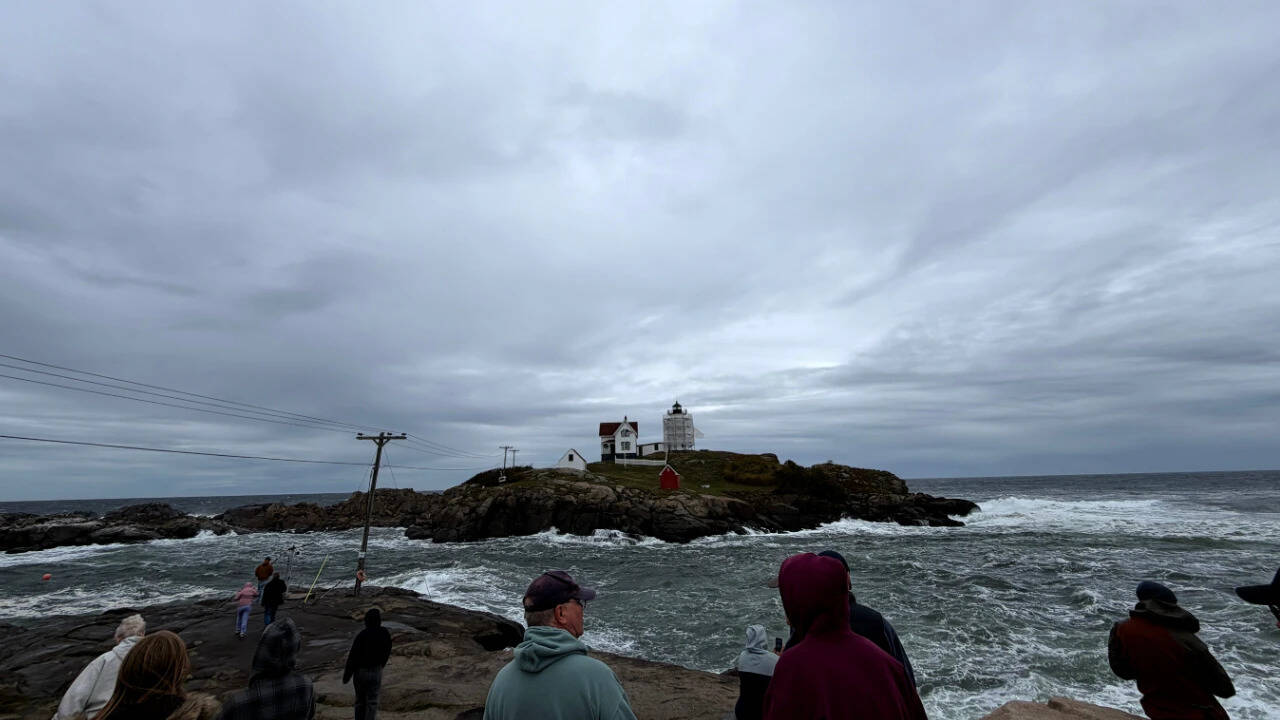
US Nor’easter batters East Coast, cancels over 400 flights, leaves 100,000 without power A strong nor’easter hitting the US East Coast from Washington, DC, to Maine this weekend forced airlines to cancel over 400 flights and left more than 100,000 homes and businesses without power at one point on Saturday.Flight tracker FlightAware said 439 flights involving US airports had been cancelled and 2,459 delayed as of 6.13 pm (local time).The governors of New York and New Jersey on Friday declared states of emergency in counties expected to see the worst of the storm, including New York City. Connecticut’s governor activated the state’s Emergency Operations Center.More than 68,000 homes and businesses remained without power in New Jersey, Connecticut, New York and Pennsylvania as of 6.07 (local time), according to PowerOutage.com. The figure was down from more than 119,000 customers earlier in the day.New York had more than 31,000 customers without power, while Connecticut and New Jersey each had more than 12,000.PSEG Long Island said severe weather was affecting 13,212 electric customers across Long Island and the Rockaways as of 5 pm (local time). The company said the storm brought down trees, branches and wires, and that it had restored power to more than 45,100 customers affected since Friday morning. Central Hudson Gas & Electric Corporation said crews were working to restore power to more than 19,000 homes and businesses in New York state as of 4 pm (local time) Parts of Ulster County were among the hardest-hit areas, and restoration efforts were expected to continue into Sunday.Flooding was reported in parts of New Jersey, from Bergen County in the north to Cape May County in the south, NJ.com reported. Voluntary evacuations were ordered in some Jersey Shore communities. MetLife Stadium in East Rutherford also announced that rock band AC/DC’s Friday concert had been postponed until October 2.The US National Weather Service said the nor’easter would bring coastal flooding, rip currents, strong wind gusts and heavy rain to the Mid-Atlantic and New England regions through Monday.
Times of India·3 hours ago·2 min read
Sports
Crews thin trees at Mark Twain Lake to help 200,000 endangered Indiana bats
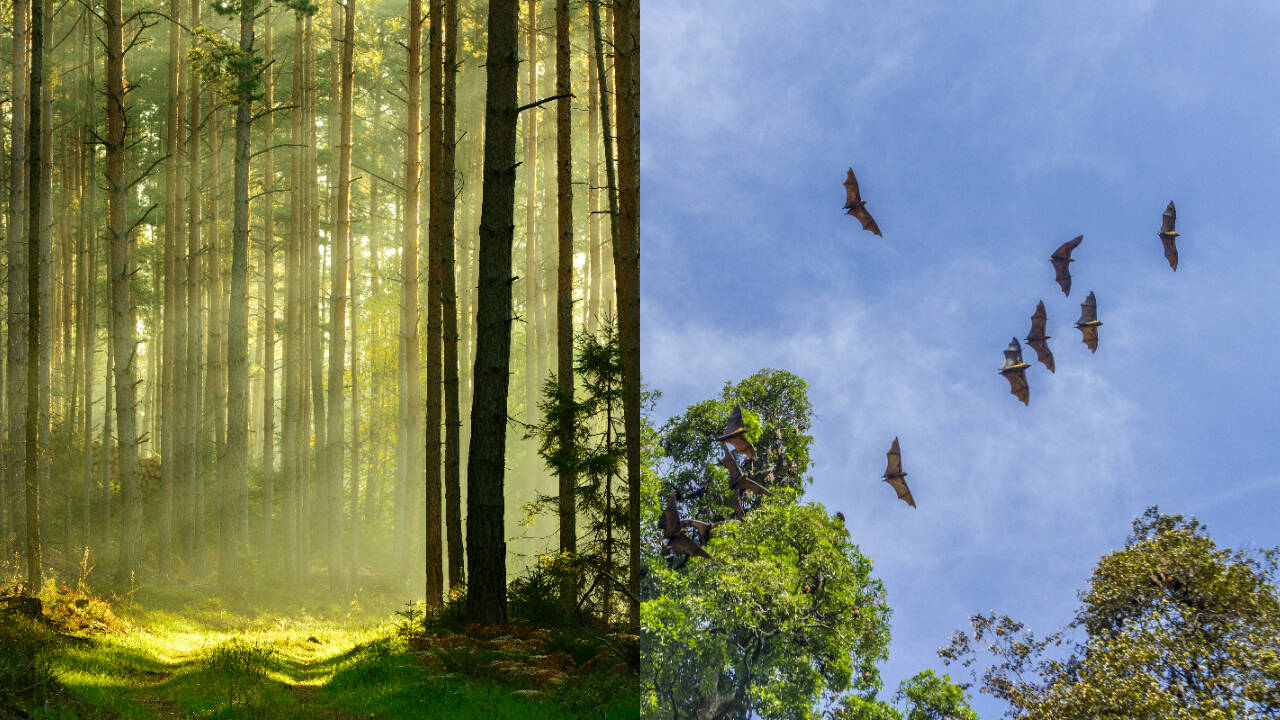
As per the report, treatments are carried out in late summer and early autumn, when trees begin moving nutrients and stored energy toward their roots in preparation for winter. That movement helps carry the herbicide deeper into the trees. Every autumn, as forests begin to thin naturally, another kind of clearing takes place around Missouri’s Mark Twain Lake. This time, the goal is not timber production or development, but making room for one of North America’s most vulnerable bats. According to a report by WGEM, about 200,000 endangered Indiana bats spend the warmer months in the forests surrounding the lake before heading east to hibernate at Sodalis Nature Preserve near Hannibal. That represents roughly one-third of the species’ entire North American population, making the landscape an unusually important stronghold for the bats. Opening up the forest The U.S. Army Corps of Engineers, working with The Conservation Fund, has begun forest stand improvement work across public wildlife management areas around Mark Twain Lake. The project focuses on reopening flight and foraging corridors that have become increasingly crowded after decades without active timber management, states the online report.For more than 40 years, shade-tolerant trees such as sugar maple and ironwood have filled in the forest’s middle canopy. While these trees are part of a healthy woodland, their dense growth can block sunlight and create obstacles for bats moving between feeding areas and roost trees, states the report. Rather than clearing large sections of forest, crews are using a targeted technique known as hack and squirt. Workers make small cuts around the trunks of selected trees and apply herbicide directly into those openings. The method allows crews to remove specific trees while leaving the surrounding forest largely intact. Dead trees become bat habitat One of the unusual benefits of the approach comes after the targeted trees die. They are left standing, gradually becoming snags that can remain part of the ecosystem for years. Indiana bats rely on cracks, crevices and peeling bark in mature trees for roosting, particularly in the overstory oaks found throughout the area. Depending on the tree, a treated snag can provide useful habitat for roughly four to 10 years before naturally breaking down.As per the report, treatments are carried out in late summer and early autumn, when trees begin moving nutrients and stored energy toward their roots in preparation for winter. That movement helps carry the herbicide deeper into the trees. More than a bat project Opening the middle layer of the forest is expected to benefit more than Indiana bats. With fewer trees blocking the canopy, additional sunlight can reach the forest floor, encouraging native grasses, flowering plants and young oak-hickory growth. Those changes can improve habitat for deer, wild turkey and other wildlife that depend on the forest understory.An initial 30-acre phase was completed last year, and crews are now working toward treating more than 250 acres around Mark Twain Lake by November 1. The wildlife management areas remain open to hikers, hunters and other visitors during the work. Visitors are being asked to give forestry crews room to operate as the habitat restoration continues.Images Courtesy: istock
Times of India·3 hours ago·3 min read