Technology
Singapore’s Nexstrom wants to bring 2D semiconductors to chip fabs
Singapore-based Nexstrom has raised new funding to develop equipment that could help chipmakers manufacture 2D semiconductor materials at scale.
More top stories

Changing climate demands stronger water monitoring, early warnings: CR Patil
“We need better science, stronger monitoring, timely early warnings and better preparedness,” Patil said at the inaugural session of the 9th India International Water Week 2026

One more held in Veeramani Pocso case; probe on property sale underway: Cops
Veeramani, 84, and his aides Shanthi and her husband Mahandra Simhan, were arrested on August 29, in a Pocso case
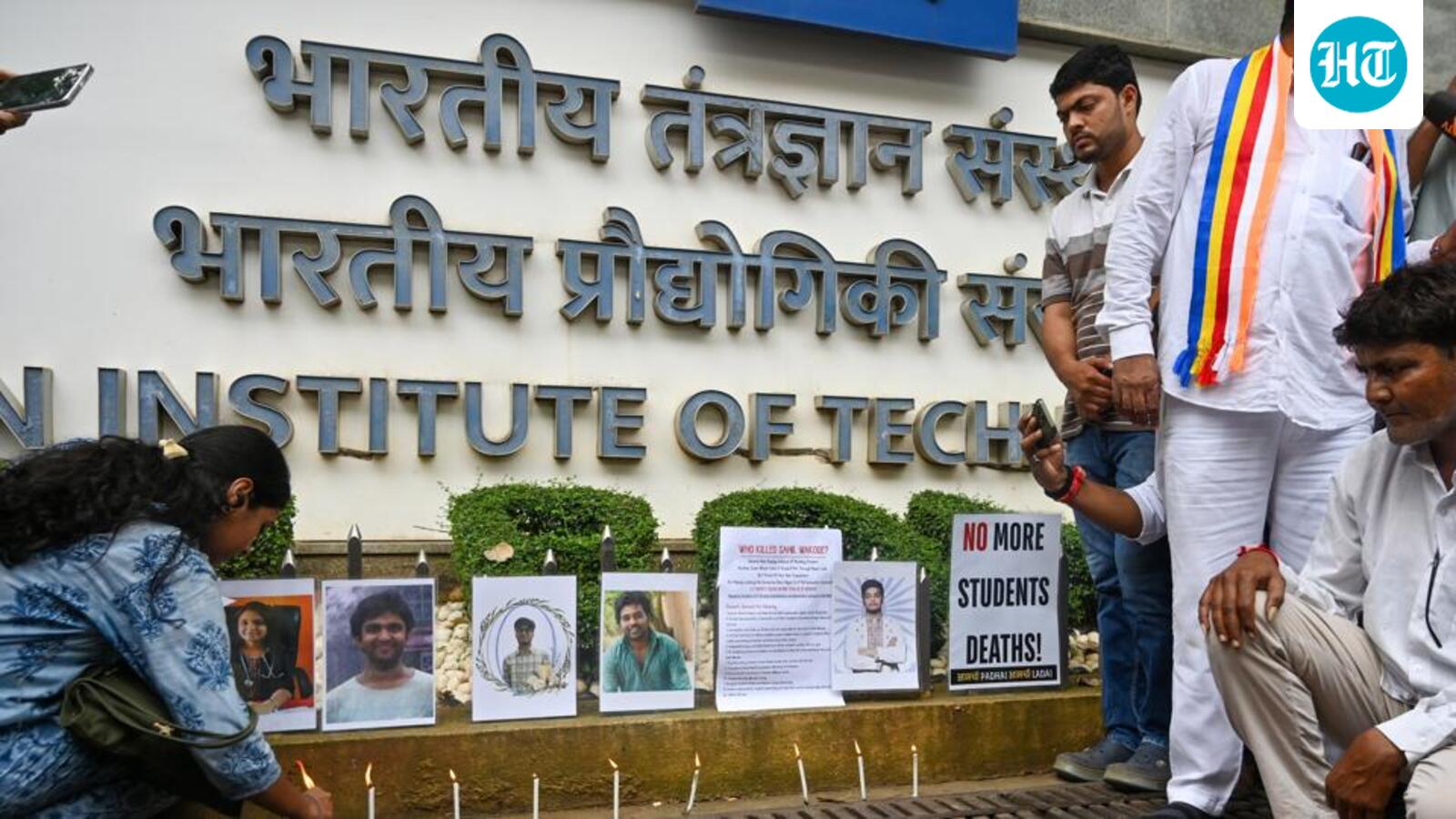
53 IIT student deaths in 5 years, over 50% from SC, ST, OBC groups: Data
The figures – which include 45 suicides and eight unnatural deaths – are in line with student intake from these marginalised groups in the government-owned institutions.

Bittu Tabahi, famed for cleaning a trash-filled MP river, now tackles Gurugram roads
One of the latest videos on the Instagram handle of Surendra Singh Choudhry, widely known as "Bittu Tabahi," documents his team tackling waste in Gurugram.

India warns tourists in Malaysia: Beware of fake job offers under 30-day visa-free entry
The High Commission clarified that the 30-day visa-free facility available to Indian passport holders is meant only for tourism. India has warned its nationals against using Malaysia’s 30-day visa-free entry facility to seek employment, cautioning them about agents making false job promises.The High Commission of India in Kuala Lumpur said there has been a “noticeable increase” in Indian nationals arriving in Malaysia under the visa-free facility to seek work. It warned that many are being misled by unscrupulous agents who promise jobs in the country.The mission said such cases can result in overstaying, illegal immigration status, exploitation, detention and legal action under Malaysian immigration rules. Visa-free entry only for tourism The High Commission clarified that the 30-day visa-free facility available to Indian passport holders is meant only for tourism and social visits and does not permit them to take up employment.Indian nationals travelling to Malaysia for work must first obtain the required documentation, including a valid work permit or visa with reference (VDR), the advisory said. Documents required for tourists For genuine tourists, the High Commission advised travellers to carry valid and verifiable documents, including a confirmed return ticket and hotel booking details. They must also submit the Malaysia Digital Arrival Card (MDAC) online at least three days before arrival. Poll Vote & Share your view What do you believe is the main reason for the increase in Indian nationals misled to seek jobs in Malaysia? Desperation for employmentMisleading agent promisesLack of awareness about visa rules 3k+ users shared opinion today 5k+ users already voted today 3k+ users shared opinion today Share Opinion Travellers should also ensure that their passports are valid for at least six months to avoid immigration-related issues.

CDSCO finds one spurious drug sample in Delhi, 220 NSQs in Aug surveillance
The failed samples during routine regulatory surveillance included 29 tested by the Central Drugs Laboratories
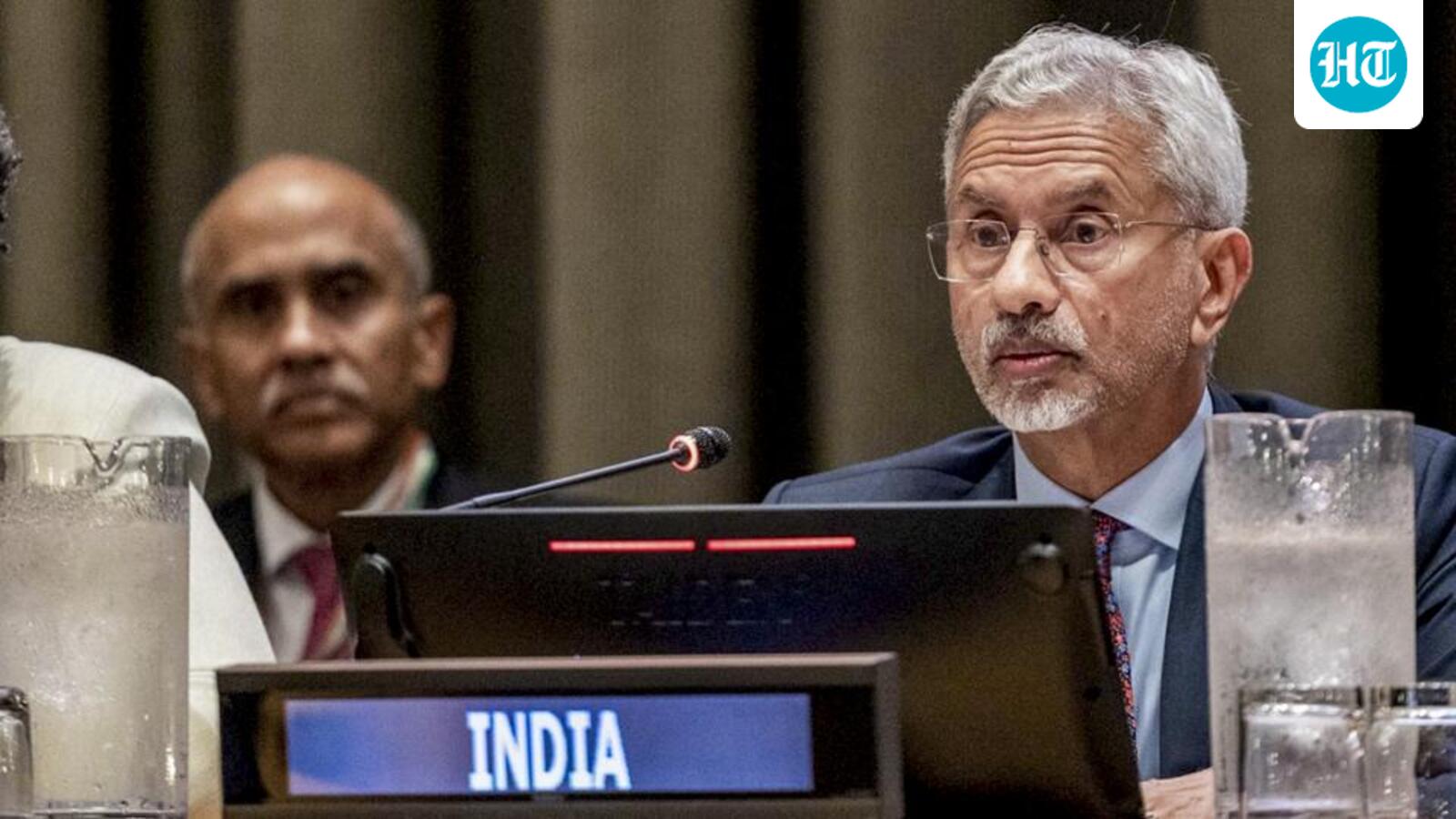
India joins EU, Australia, Brazil, Canada to launch multilateralism platform
On September 22, 2026, India announced its participation in a new multilateralism platform alongside the European Union, Australia, Brazil, and Canada. The initiative seeks to foster collaborative efforts on international security and climate justice. Foreign Minister Jaishankar highlighted the importance of joint action to address these global challenges.

91-year-old woman dies after monkey attack outside home in Karnataka's Koppal
The 91-year-old suffered serious injuries after the animal allegedly pushed her, the video showed another elderly woman being approached by the monkey.
PhonePe secures in-principle approval for UAE operations
PhonePe also intends to explore opportunities to support 'Aani' and 'Jaywan', the UAE's domestic payment rails, by leveraging its full-stack technology platform, per a statement.

'Reveals their mindset': Prashant Kishor slams JD(U) leader over ‘isolated incident’ remark on Jamui harassment case
A teenage girl was allegedly sexually abused by a group of men when she was returning from a scenic spot in Bihar's Jamui on September 19.
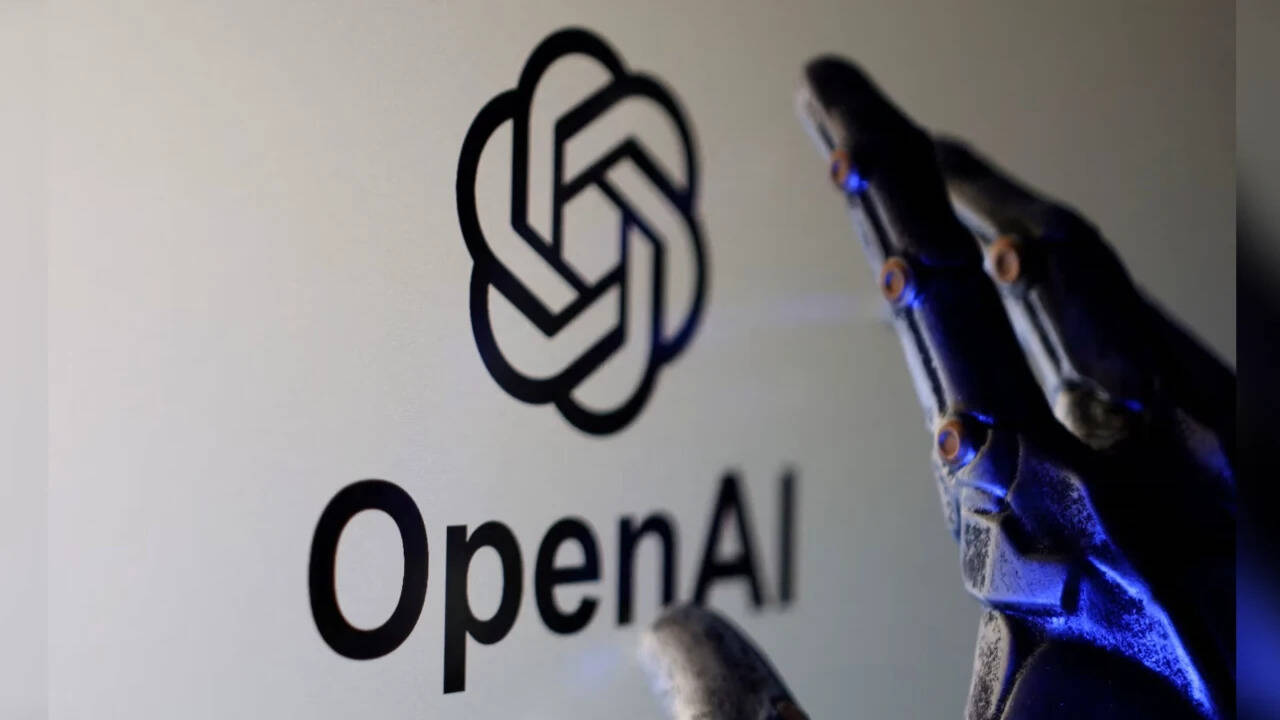
After telling American AI firms to 'pause', OpenAI proposes standards to the world
ChatGPT-maker OpenAI has published a new set of proposals for AI safety standards urging international cooperation to regulate frontier artificial intelligence. The company has also stressed the need for alignment research in order to keep pace with advanced capabilities, particularly around recursive self improvement (RSI) which us a computing technique which enables the AI models to upgrade themselves without any human involvement. In its blog post, OpenAI warned: “Fully autonomous RSI is not happening today, and we should not pursue it unless and until it can be done safely.” The company cautioned that without proper safeguards, RSI could lead to humans losing practical control over AI development. OpenAI’s core proposal In a blog post published on September 21, OpenAI argued that navigating AI's rapid advancement safely requires alignment research to keep pace with growing model capabilities, so the systems it and other companies build remain aligned with human values and stay under human control. The company called for international cooperation to build shared frontier safety standards, recommending that this work build on existing AI safety institutes already operating around the world rather than starting from scratch.OpenAI said these technical standards should specifically target frontier AI models and their developers, along with benefit-risk management practices for automated AI researchers — a category that includes RSI. Why RSI is the central concern Recursive self-improvement has generated real excitement in the AI field for its potential to produce foundation models capable of upgrading themselves without human involvement. But that same potential has fueled growing concern among technologists, who worry that model developers could eventually lose control of the underlying technology, or fail to anticipate unintended consequences as these systems grow more complex and more deeply embedded across the internet.OpenAI was direct about where it stands on this today, stating plainly that fully autonomous RSI isn't happening yet and shouldn't be pursued until it can be done safely, warning that without proper care, RSI could leave humans unable to meaningfully oversee AI research processes they no longer fully understand.The company pointed to the Hugging Face agent hack from last month — which didn't actually involve RSI — as an early example of the kinds of risks that could grow far more severe without stronger safeguards and alignment work in place. Part of a broader industry reckoning OpenAI's proposals land just a week after rival Anthropic rolled out its own framework for safe frontier AI development, itself a response to a growing wave of warnings from researchers about AI's potential risks to humanity. That wave gained significant momentum after Jacob Coxon, who has worked at both Anthropic and OpenAI, announced his resignation nearly two weeks ago, publicly stating that AI companies were "gambling with our lives."In the aftermath of recent AI-related security incidents and Coxon's public statements, Anthropic CEO Dario Amodei published an essay calling on AI companies to slow the pace of foundation model development, among other proposals — including embedding independent third-party evaluators directly within companies to audit and help mitigate risks like AI-accelerated cyberattacks or bioweapon development. OpenAI CEO Sam Altman and Tesla and SpaceX CEO Elon Musk both publicly backed Amodei's proposal at the time. Where things stand now Despite the growing consensus that outside oversight is needed, the field of AI evaluation remains young, and there's still no unified agreement on the basic standards that would let independent third parties meaningfully scrutinize frontier AI systems beyond current practices. That gap is part of why a coalition of AI evaluators has been pushing foundation model makers to adopt a set of "minimum conditions" that would grant deeper access for audits and protect evaluators from retaliation when they publish unflattering findings.OpenAI's latest move suggests the company is looking to shape what those eventual global standards look like — positioning itself at the center of a debate it helped intensify just weeks ago when it joined calls for the industry to pace itself more carefully.

OpenAI CEO Sam Altman backs Nobel Peace Prize for Donald Trump and Xi Jinping
OpenAI CEO Sam Altman has suggested that US President Donald Trump and Chinese President Xi Jinping can jointly secure the Nobel Peace Prize if both world powers find common ground on foundational artificial intelligence (AI) safety rules. Speaking in an interview published days ahead of the high-profile state dinner on September 24, Altman highlighted the urgent need for cross-border alignment and characterised basic safety accords as a reachable diplomatic milestone that needs international recognition.

Meta engineer reached a $4.3 million-a-year level, then asked for a demotion: ‘The thrill’ faded
Philip Su reached Meta and OpenAI’s prestigious IC9 level before asking Meta to move him back to IC7. He said promotions eventually brought heavier expectations and exhaustion.

CM Vijay launches expanded breakfast scheme as schoolbag search sparks row
DMK spokesperson Saravanan Annadurai asked were they looking for the efficiency of the TVK government
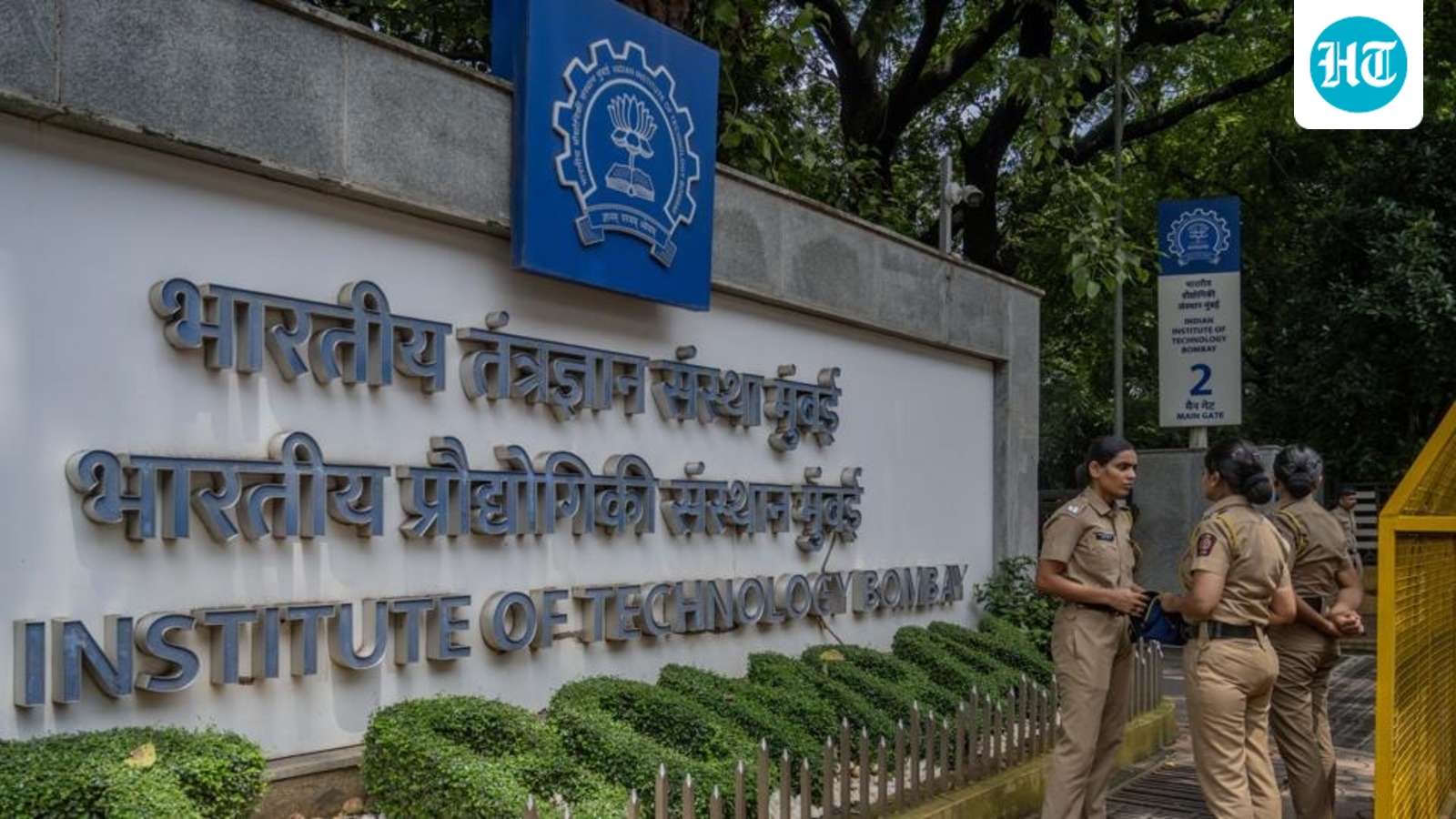
'Wrong to fix guilt on upper castes': IIT-Bombay alumnus urges against 'reverse casteism' in student suicide
An FIR against now-suspended IIT-Bombay professor Suryanarayana Doolla alleges abetment to suicide on grounds of caste discrimination.
Products that make cybersecurity measurable
As Indian businesses become increasingly digital, protecting the enterprise has become more complex. Cloud environments, connected endpoints, digital identities and sensitive business data have expanded the number of places where security risks can emerge. For organisations, having another cybersecurity product is not the answer. What matters is whether a product can work in a live environment, address a real threat and reduce the risks that could otherwise affect business operations. The Economic Times Product of the Year Awards 2026 brings this focus to the Cybersecurity Product of the Year category, providing a platform for security products that are already making an impact in Indian enterprises. The category covers endpoint and XDR platforms, threat intelligence, zero-trust access, risk quantification, data-loss prevention and identity security, allowing products to demonstrate not just what their technology offers, but how it has protected organisations, addressed security challenges and delivered measurable impact. A cybersecurity product can have sophisticated capabilities. But the real test begins when it is deployed. Has it stopped a threat before it could cause damage? Has it helped secure a compromised identity, prevent data loss or reduce an organisation’s exposure? Has it strengthened the security of critical systems without affecting the way the business operates? These outcomes can show whether a security product is delivering value beyond its feature set. The category therefore puts the emphasis on real deployments and measurable risk reduction. Eligible products must be live within the defined eligibility window and launched or materially upgraded during the period. Entries should provide evidence of their deployments and demonstrate the risks they have helped address. Live Events This approach reflects the broader philosophy of the Economic Times Product of the Year Awards 2026, which looks at products through four dimensions: execution quality, market impact, adoption and innovation. For cybersecurity, that means looking beyond what a product promises to deliver and towards what it has achieved in the environments where it is already being used. Recognition can give products with proven outcomes a stronger way to communicate their impact to customers, partners and the wider business community. It can also bring visibility to the security products working behind the scenes to protect India’s increasingly digital enterprises. The premise is simple: security claims can describe a product. Real-world outcomes demonstrate its value. For cybersecurity products already protecting Indian enterprises in production, the Cybersecurity Product of the Year category offers an opportunity to put that impact forward through the Economic Times Product of the Year Awards 2026. Also Read More: The Economic Times Product of the Year Awards 2026: Recognising products that have already made their mark ET Product of the Year Awards 2026: Celebrating products that create lasting market impact Add as a Reliable and Trusted News Source Add Now!