Health
Regulator urges caution on painkillers, antibiotics
New Delhi: India’s drug regulator has issued an advisory cautioning against the indiscriminate, repeated or prolonged use of painkillers and antibiotics, highlighting the risk of avoidable renal complications and chronic kidney disease associated with inappropriate use. The advisory said such medicines should be used only when clinically indicated, at the appropriate dose and for the appropriate duration and under the supervision of a registered medical practitioner. It specifically advised the public not to take NSAIDs or antibiotics indiscriminately, repeatedly or for prolonged periods without medical advice. “Antibiotics should not be used for self-medication or for conditions where they are not clinically indicated, including most uncomplicated viral infections,”it said. Also Read | Cough syrup bottles may soon carry a warning label in 'red' Live Events Patients have also been advised to take prescribed antibiotics strictly as directed and not share them with others or use leftover medicines. Those with pre-existing kidney disease or other risk factors for renal impairment have been asked to inform their healthcare professionals before using NSAIDs. The advisory gains significance given the fact that antibiotics market has seen a continued growth. According to data by pharma research firm PharmaTrac the antibiotics market rose from 23,045 crore in August 2022 to 28,513 crore in August 2026, recording a five-year CAGR of 5%. The regulator has also advised people to seek medical advice if pain, fever or other symptoms persist or recur rather than repeatedly using painkillers or antibiotics on their own. For healthcare professionals, the advisory calls for NSAIDs and antibiotics to be prescribed only when clinically indicated, after considering the patient’s clinical condition, age, co-morbidities, concomitant medicines and other relevant risk factors. Also Read | Government to ease BA-BE study norms for domestic generic drug approvals, cut import licence timelines Doctors have been advised to consider the lowest effective dose of NSAIDs for the shortest appropriate duration, particularly in patients at increased risk of renal impairment. Appropriate precautions should also be taken in patients with renal impairment, dehydration, cardiovascular disease and other conditions that could increase the risks associated with NSAID use. For antibiotics, the drug controller has called for judicious prescribing in line with antimicrobial stewardship principles. Doctors have been advised to consider the likely causative organism, site and severity of infection and, wherever appropriate, microbiological investigations and local susceptibility patterns. The advisory also calls for unnecessary combination therapy, inappropriate antibiotic selection, incorrect dosing and unnecessarily prolonged antibiotic treatment to be avoided. Pharmacists, retailers and distributors have been directed to comply with the statutory requirements governing the sale and distribution of Schedule H, H1 and other prescription medicines. They have also been asked not to encourage or facilitate self-medication with antibiotics or prescription-only NSAIDs and to observe the prescribed warnings and conditions of sale on medicine labels. Hospitals and healthcare institutions have been advised to strengthen systems for rational prescribing and monitoring of NSAIDs and antibiotics, besides promoting antimicrobial stewardship, prescription review and appropriate patient counselling. State and UT drug control authorities have been asked to create awareness among healthcare professionals, pharmacists, retailers and the public about the risks associated with indiscriminate use of NSAIDs and antibiotics and ensure compliance with the applicable provisions of the Drugs and Cosmetics Act and Rules. The advisory comes with the government stressing the need to promote the rational, safe and responsible use of the two categories of medicines and prevent avoidable adverse drug reactions, renal complications and antimicrobial resistance. “All concerned are advised to take necessary steps to promote rational, safe and responsible use of NSAIDs and antibiotics and to prevent avoidable adverse drug reactions, renal complications and antimicrobial resistance,” it further said. Add as a Reliable and Trusted News Source Add Now! (You can now subscribe to our Economic Times WhatsApp channel)
More top stories

A father’s hope cut short as fire incident at RIMS claims newborn daughter in Telangana’s Adilabad
Family members, attendants of patients recall the horrific moments and prompt evacuation which prevented further loss of life after fire broke out at the hospital

'Mass casualty' alert? Pakistan hospitals clear beds ahead of PTI protest
Hospitals in Islamabad have allegedly been ordered to prepare for a possible “humanitarian crisis” and “mass casualty incident” ahead of a planned September 27 protest by jailed former Pakistan prime minister Imran Khan’s party, Pakistan Tehreek-e-Insaf (PTI).The instructions to Islamabad hospitals called for all scheduled elective surgeries to be postponed indefinitely and surgical departments to be prepared for a possible surge in patients, according to documents reviewed by Drop Site.Medical and support staff were ordered to remain available, with all forms of leave suspended. Hospitals were also told to recall employees who were already on leave.The measures were issued ahead of PTI’s planned September 27 march, which the party says is intended to demand Khan’s release.The preparations have already affected patients. People familiar with the situation told Drop Site that patients scheduled for surgery on Monday were informed that their procedures would be postponed.The government has not publicly said that the hospital preparations are specifically linked to a crackdown on PTI protesters. The documents, however, explicitly refer to preparations for a potential “humanitarian crisis” and “mass casualty incident”. Imran Khan's family detained The hospital preparations also came as authorities detained Khan’s three sisters – Aleema Khan, Noreen Niazi and Dr Uzma Khan – along with other members of his family, while several PTI leaders and workers were also arrested ahead of the planned march on Islamabad.Eight members of Khan’s family were reportedly detained within 24 hours. The children were later released after several hours, according to Aleema Khan’s son Shershah Khan, while Khan’s sisters remained in custody.Aleema Khan was detained under Section 3 of Pakistan’s Maintenance of Public Order law, with a formal order issued by Lahore’s deputy commissioner authorising her detention for 30 days, according to documents obtained by Drop Site.Similar detention orders circulated for Noreen Niazi and Uzma Khan.The arrests came after authorities stepped up action against PTI members ahead of the September 27 mobilisation. PTI has alleged that party offices were raided and elected representatives and workers were detained across the country.The arrests have come amid continuing concerns from Khan’s family and supporters over his health and prison conditions.Khan’s primary healthcare provider, Dr Faisal Sultan, has reportedly not been allowed to visit him for several weeks. Khan has been imprisoned since August 2023 after his government was removed from office following a no-confidence vote. PTI has continued to demand his release.

Boyfriend disappears after Vizag woman declared dead at Hyderabad hospital
Police said the woman worked with a private company and that the couple checked into a hotel on Monday

Man sets woman on fire at Tamil Nadu hospital, arrested
A 26-year-old woman was critically injured after a man set her on fire inside a hospital in Tiruvallur, Tamil Nadu. Police acted fast, caught the attacker, and shot him during the incident. The victim is now admitted to the hospital and receiving medical treatment for her injuries.

Researchers at RGCB in Keralam develop nanopore sensors for early detection of Parkinson’s disease
RGCB team designs ‘self-assembling dual-diameter’ nanopore sensors that are capable of detecting biomarkers linked to neurodegenerative diseases with high sensitivity

Two infants killed in fire accident at Telangana’s RIMS Adilabad hospital SNCU ward, 25 children rescued
Two newborn babies died and 25 others were rescued after a fire broke out in the Special Newborn Care Unit of the Rajiv Gandhi Institute of Medical Sciences in Adilabad, Telangana, on Monday night. Officials stated that an air-conditioner burst into flames, causing heavy smoke to fill the enclosed ward. Alert attendants broke glass windows to help rescue the infants. Chief Minister A. Revanth Reddy has ordered a high-level inquiry into the tragedy.
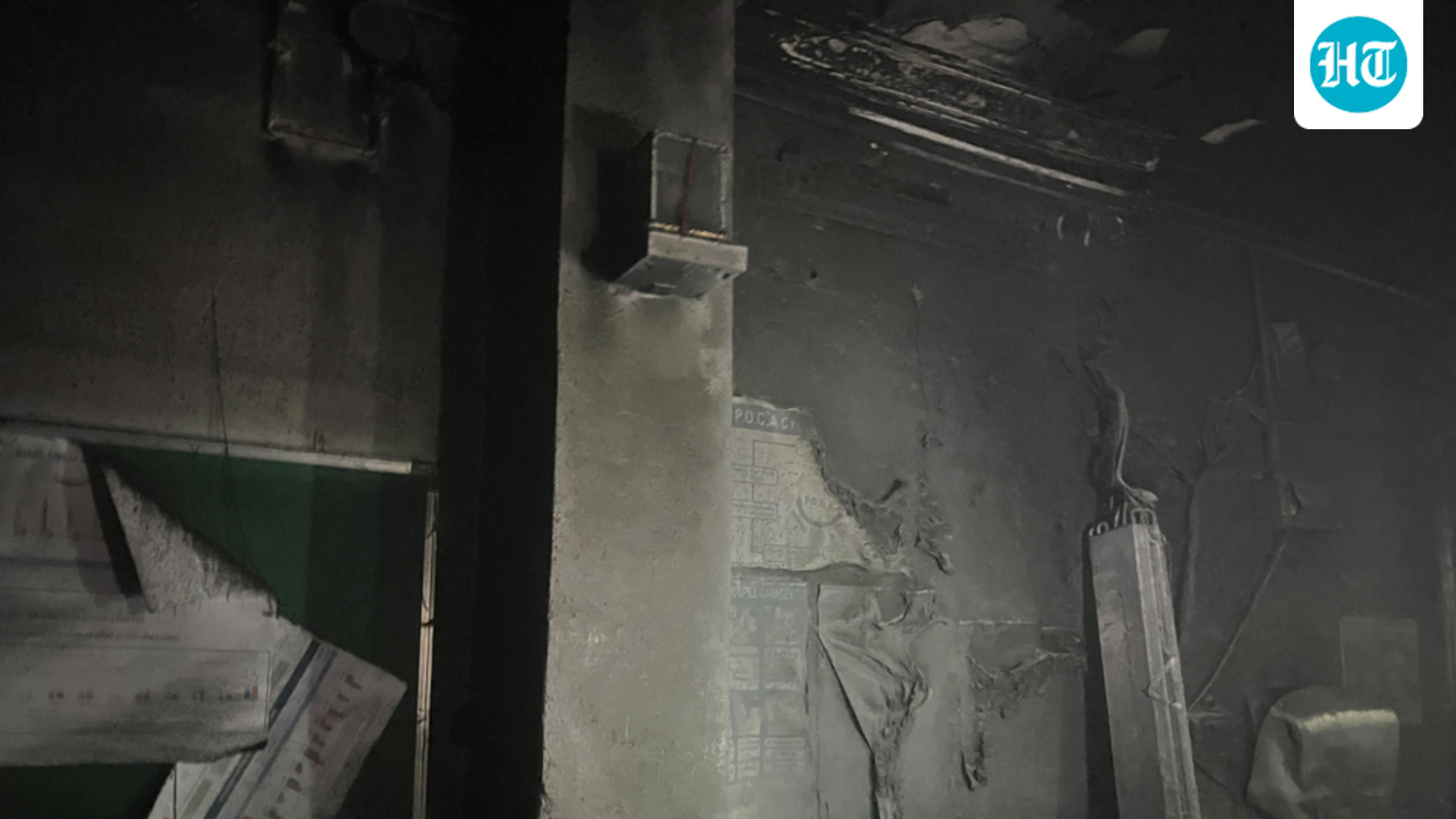
2 infants killed as fire breaks out in newborn care unit in Telangana hospital
Two infants lost their lives when a fire broke out in the newborn care unit of a Telangana hospital. Telangana Chief Minister A Revanth Reddy expressed deep grief over the tragic incident and offered his condolences to the grieving families. Authorities are investigating the cause of the fire.
After suicide case, IIT Bombay students seek welfare reforms, focus on mental health
A tragic suicide at IIT Bombay has prompted students to call for comprehensive welfare reforms, emphasizing the need for better mental‑health resources and support systems. They seek clearer policies, counseling services, and a safer campus environment. The move aims to prevent future incidents and address the growing mental‑health crisis among engineering students.

5-day-old infant dies after fire breaks out at Telangana's RIMS hospital; 28 newborns rescued
Tragedy struck at RIMS Hospital in Adilabad when a five-day-old newborn sadly lost their life due to a fire that broke out late Monday night. Fortunately, twenty-eight children were safely evacuated from the affected ward. The flames ignited around 11:50 pm, leading to a swift response from fire services. Firefighters managed to control the situation, while police have since registered a case and are investigating the circumstances surrounding the incident.
2 Infants Killed As AC Blast Triggers Fire At Telangana Hospital
Two infants lost their lives when a sudden fire broke out in the Special Newborn Care Unit of the Rajiv Gandhi Institute of Medical Sciences in Adilabad, Telangana. The fire started due to an air conditioner blast in the ward. Hospital authorities and fire officials rushed to the spot to control the blaze and rescue other babies.
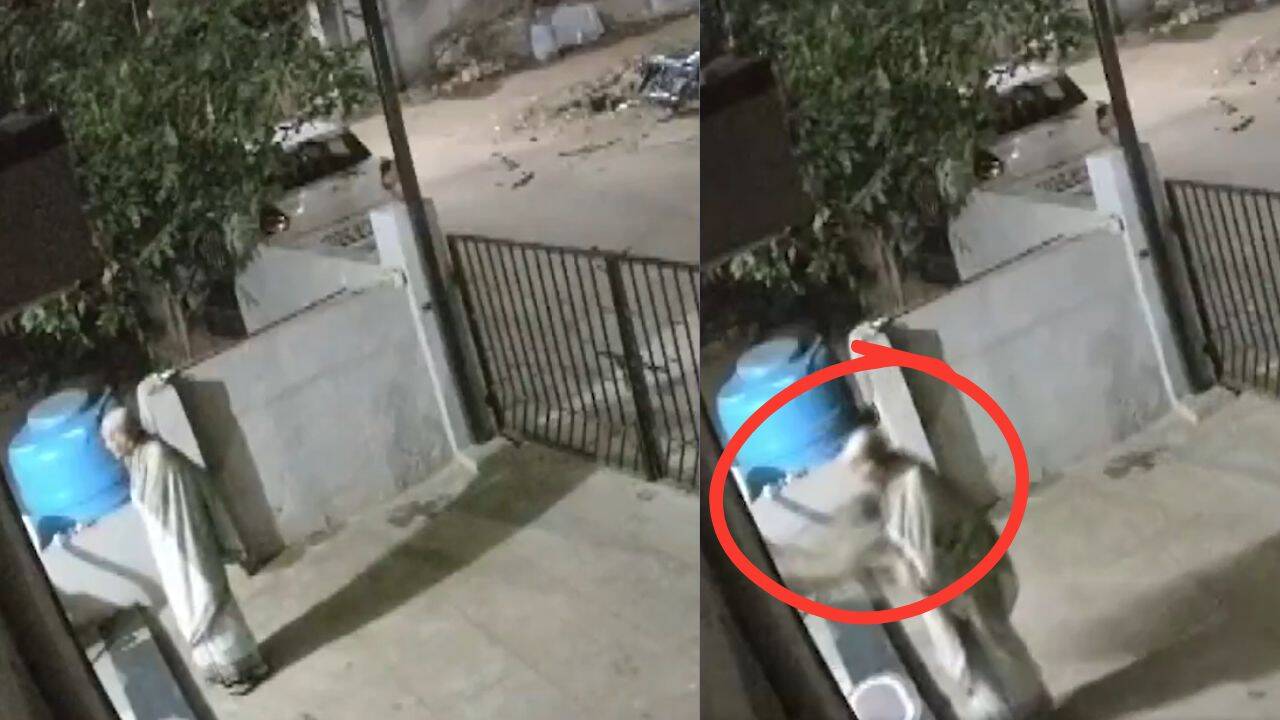
91-year-old woman dies after monkey attacks, pushes her in Karnataka
A 91-year-old woman named Najamunisa Begum died on Monday in Koppal district. She was allegedly attacked and pushed by a monkey while standing outside her home. The injured woman was immediately rushed to a hospital for urgent medical treatment. Sadly, she later succumbed to her severe injuries sustained during the incident. Authorities are currently investigating the precise circumstances surrounding this unfortunate monkey attack.

What is scrub typhus | Explained
An Anna University student's death from scrub typhus at a Chennai hospital has highlighted the growing threat of this bacterial infection in India. Scrub typhus is spread by the bites of infected tiny mites, not mosquitoes, and causes high fever, headaches, and body aches. Experts warn that late diagnosis often leads to severe complications and death, though the disease can be easily treated with common antibiotics if caught early.
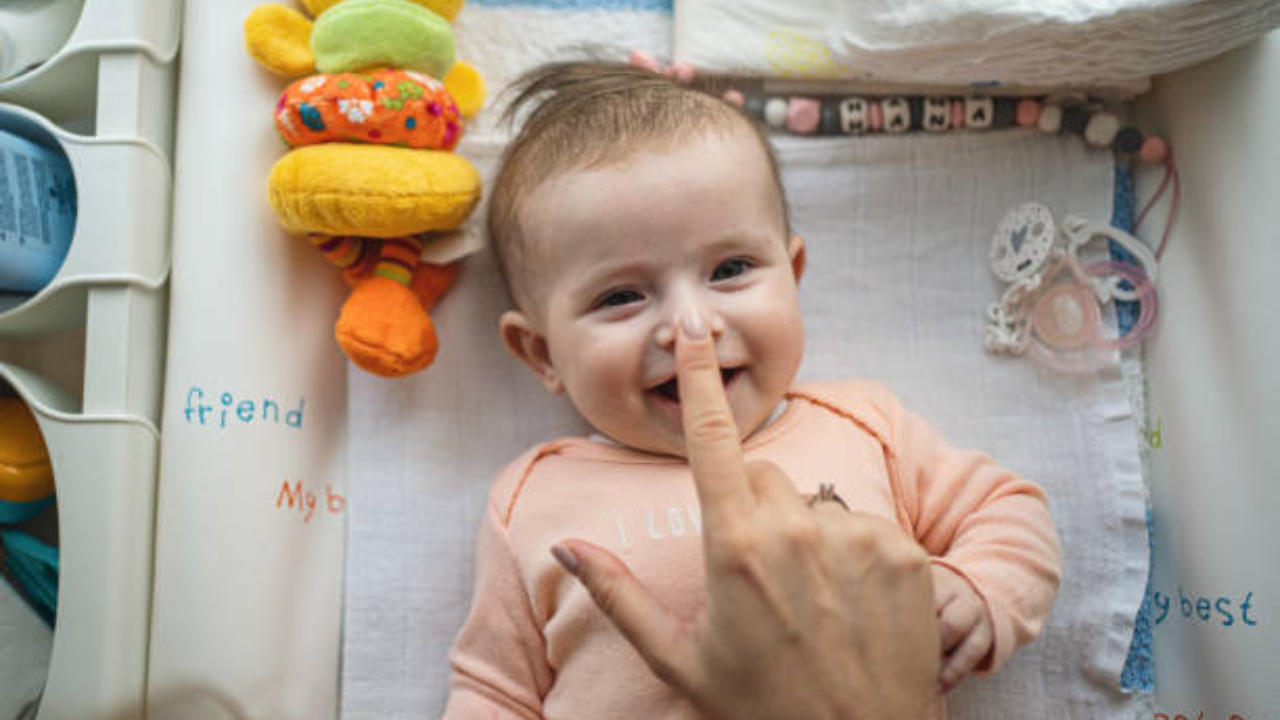
Can you reshape a newborn’s nose with your fingers? Doctor debunks viral claim
A traditional practice suggests that pressing a baby's nose each day can help shape it more sharply over time. Nevertheless, doctors assert that this method does not effectively change the nose's structure. Unlike the skull, the cartilage in a nose remains pliable and does not possess internal rigidity. For a lasting change in nose shape, surgical procedures are necessary.

Karnataka to track cancer patients after fake drug bust
Following the seizure of fake cancer drugs, the Karnataka Health Department is tracking patients across private hospitals to check their health status. Officials have cancelled 16 pharmaceutical licenses and suspended eight others. Health Minister U.T. Khader stated that government hospitals do not sell these fake medicines. The state is also pushing for stricter legal action, including potential life imprisonment for fake drug makers under the new criminal code.
NTF flags IIT suicides, caste and competition
A National Task Force report finds that intense academic rivalry and caste‑based discrimination are key reasons why 13,600 students from disadvantaged backgrounds have dropped out of premier Indian institutes. The report highlights a mismatch between socially privileged faculty and diverse student bodies, and notes that a “vibe check” culture isolates students. It calls for stronger mental‑health services and systematic screening to curb the trend.

Collector inspects dengue prevention measures in Cuddalore
Collector Sibi Adhithya Senthil Kumar inspected dengue prevention measures across Cuddalore Corporation areas on Monday. He advised residents to remove discarded items like coconut shells and plastic containers where rainwater collects, as these create breeding grounds for dengue mosquitoes. The Health Department is running preventive campaigns across the district, with 116 dengue patients currently under treatment in government hospitals.