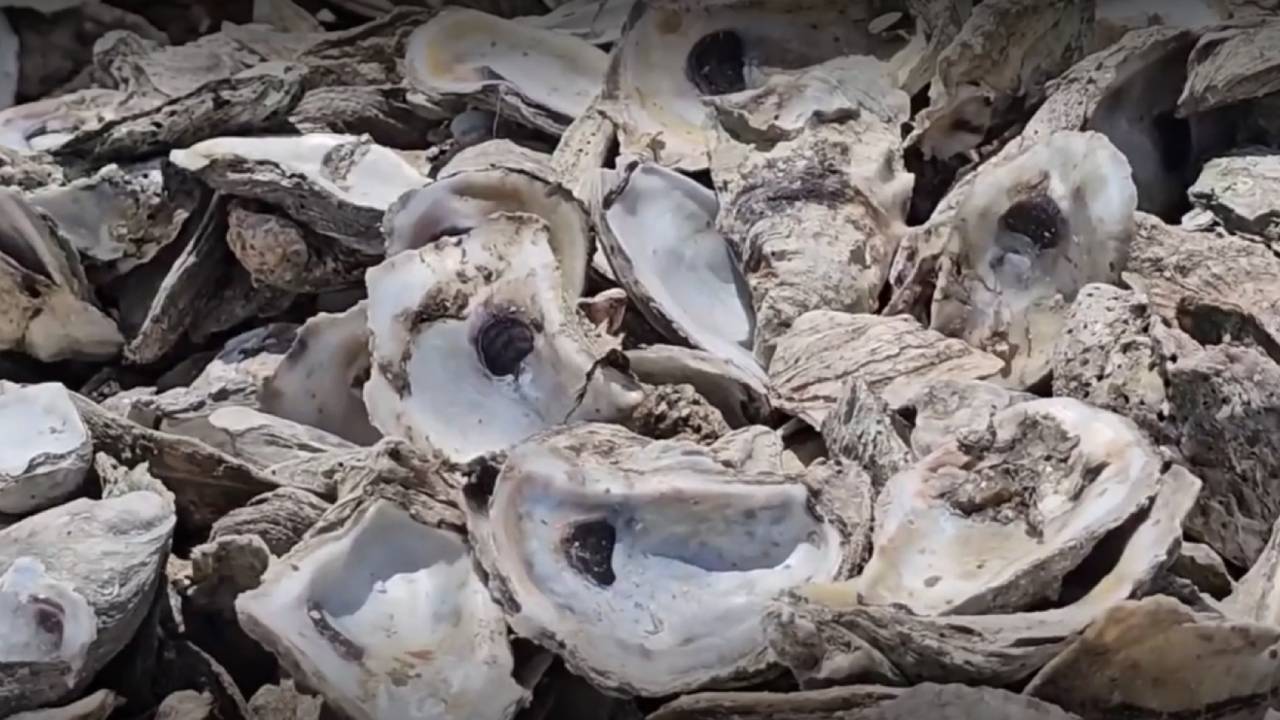
What happens to oyster shells after the meal is over? Along the Texas coast, discarded shells from restaurants, festivals and community events are being given a second life as building material for oyster reefs. The effort is helping support marine ecosystems while keeping thousands of oyster shells out of the waste stream.In San Antonio, the South Texas Coastal Initiative (STCI) is collecting oyster shells and sending them to Sink Your Shucks, an oyster shell recycling program operated by Texas A&M University and the Harte Research Institute in Corpus Christi. The recycled shells are then used to help restore oyster reefs in the Gulf of Mexico, providing habitat for marine life and helping improve water quality. Turning oyster waste into reef restoration The scale of the effort becomes particularly clear during San Antonio’s Fiesta Oyster Bake. Organizers say residents consume about 100,000 oysters during the festival weekend alone, leaving behind a significant volume of shells that can be repurposed for oyster reef restoration.STCI says recycling those shells has become increasingly important because more oysters are harvested and consumed than remain in the water to reproduce and help sustain natural reefs. San Antonio’s oyster shells are being given a second life in the Gulf of Mexico. “We actually pick up all the shells at the Oyster Bake,” Ernest Brown of the South Texas Coastal Initiative told KSAT. “We give them to the Sink Your Shucks program ... and they use them to rebuild oyster reefs.”The process turns what would otherwise be discarded waste into a resource for coastal conservation. Why oyster reefs matter Oyster reefs play an important role in the health of coastal ecosystems. They provide habitat for fish, shrimp, crabs and other marine species, while oysters themselves help filter the water around them.“One single oyster can filter 50 gallons of water, which is huge and very important for the ecosystem,” Jorge Rodriguez, an STCI supporter and member, said, according to KSAT.Brown compared oysters’ role in the marine environment to the way trees help clean the air.“First and foremost, (the goal is) to clean the water, get rid of the pollution, because that helps all the other fish and animals and shrimp and crabs,” Brown said. “They’re a real key species because of what they do to keep the environment clean. They’re like trees cleaning the air.” Restaurants are becoming part of the recycling effort The oyster shell recycling program extends beyond major events. A company contracted by STCI collects oyster shells from San Antonio restaurants two to three times a week.The shells cannot simply be returned to the water immediately after collection. They must first be cleaned and prepared before being transported back to the Texas coast for use in reef restoration.That logistical effort comes with a significant annual cost. Brown said STCI needs to raise about $150,000 each year to support the program through fundraising efforts and online donations.H-E-B has also contributed to the initiative, donating $50,000 toward the oyster restoration effort.“We were really compelled by their passion behind what they do, which is ultimately to restore the oyster population in the Texas bays,” Lainey Riebesehl with H-E-B Environmental Affairs said.
San Antonio oyster shells recycled to rebuild Gulf reefs and marine habitat
Discarded oyster shells from San Antonio restaurants and events are being recycled to restore oyster reefs in the Gulf of Mexico. The South Texas Coastal Initiative sends collected shells to the Sink Your Shucks program, where they are reused for reef restoration. With about 100,000 oysters consumed during Fiesta Oyster Bake weekend, organizers are seeking $150,000 annually.
Read the full story at Times of India.