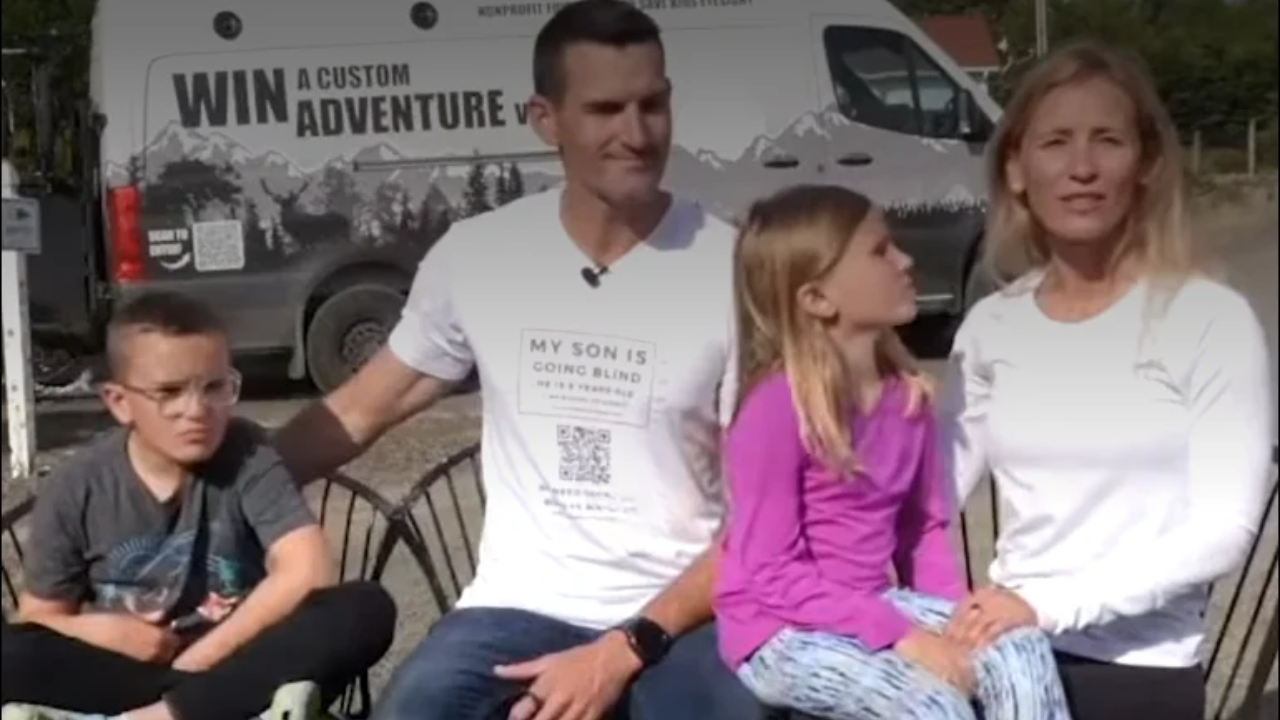
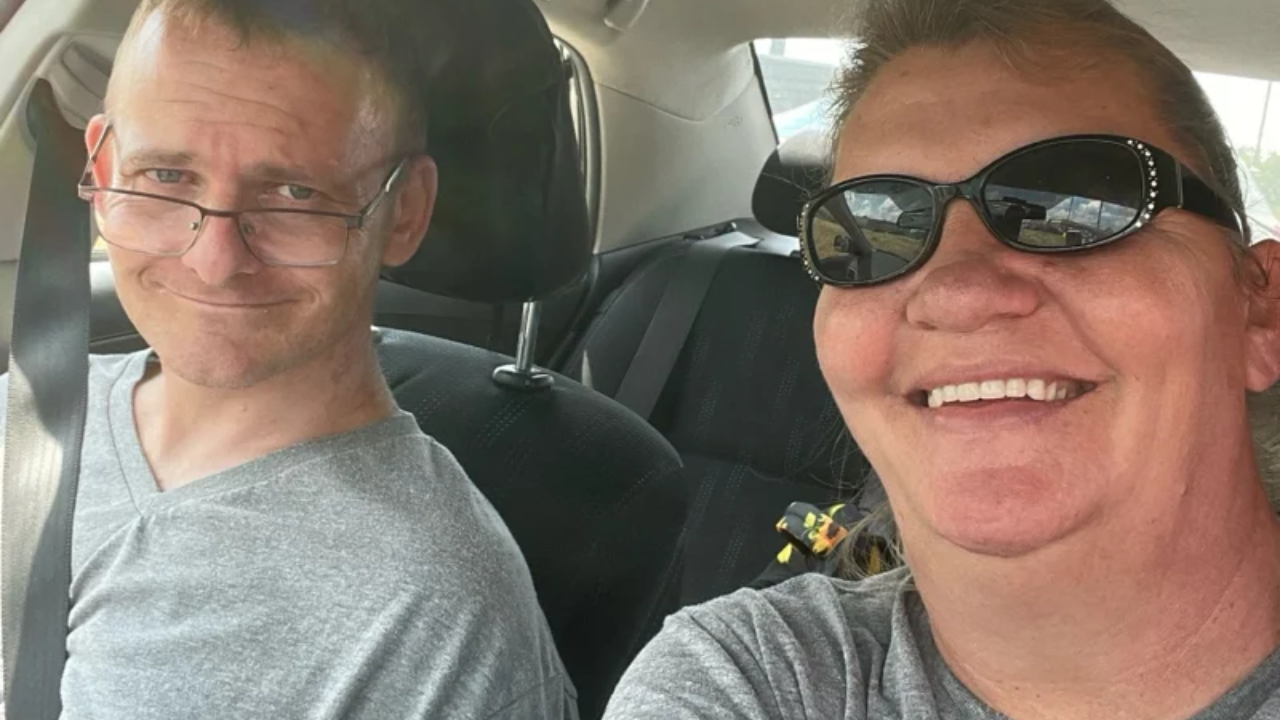
“My brother grabbed the doctor’s hand as he tried to harvest his organs…” Donna Rhorer’s account of what happened to her brother, Anthony Thomas “TJ” Hoover II, has become central to a case raising serious questions about patient safety and oversight in the US organ donation system. Hoover, who was taken for organ donation after a drug overdose in Kentucky in October 2021, showed signs of life as preparations for organ retrieval progressed. Nearly five years later, the case has drawn renewed scrutiny after US authorities moved to decertify Network for Hope, the organisation responsible for coordinating organ donations in the region.The US Department of Health and Human Services (HHS) announced on August 5, 2026, that it had begun the process of decertifying Network for Hope following federal reviews that identified concerning patient-safety practices in multiple cases involving potential organ donors. Rhorer described her experience in testimony at the Kentucky Attorney General’s office, recounting how her family had been told that Hoover had no reflexes or brain activity and would not recover. They agreed to withdraw life support and honour his wishes to become an organ donor. However, she said, his behaviour during the subsequent preparations raised questions about whether he was still alive.“I was there, I saw what happened to my brother. They prepared to recover his organs while he was still alive. During that honour walk his eyes were open, he was tracking me and they told me it was just reflex,” Rhorer testified.“And then during the heart cath, he was thrashing, crying and grabbing the doctor's hands to stop him. Even after those signs the organ procurement continued until the physician refused to proceed.”Rhorer also alleged that a coordinator contacted the organisation’s home office after the doctor refused to continue, only to be told to find another surgeon or risk losing her job. “One of the organisation’s own coordinators called the home office after the doctor refused, she was told, ‘find another surgeon or you'll lose your job because we're finishing this case. My brother almost died that day, that should never happen to anyone. Laws and standards were clearly violated, those responsible must be held accountable,” she said.When the procedure was stopped, Rhorer said, the family was told to take Hoover home and make him comfortable because he was not expected to survive much longer.“Well, it's been five years, and he's still here. I'm grateful every day for that but he is not the same, he has nightmares, he struggles remembering things and he asked me 'sis, why do they wanna kill me?' I don't have an answer for him,” she said. Procedure stopped, but questions remained Hoover’s case came to wider public attention in October 2024, when NPR reported accounts from witnesses who said he had shown signs of life during preparations for organ recovery. The Guardian also reported on the incident, including the concerns raised by former employees of the Kentucky Organ Donor Affiliates (KODA), the organisation now known as Network for Hope.Former KODA employee Nyckoletta Martin and organ-preservationist Natasha Miller raised concerns about Hoover’s condition. Miller, whose work involved preserving organs after removal, reportedly witnessed Hoover thrashing and crying on the operating table. Other accounts described him moving his head and pulling his knees towards his chest.The organ retrieval was ultimately stopped after a physician refused to proceed. Rhorer said the family was not initially given a full explanation of what had happened. She later learned more about the incident after a former KODA employee contacted her in January 2024.Hoover survived, but his family has described lasting difficulties with memory and other aspects of his daily life. Rhorer’s account has since become part of a wider debate over the responsibilities of organ procurement organisations (OPOs), which coordinate donations between hospitals, potential donors and transplant centres. Federal investigation identifies wider concerns The controversy intensified after federal authorities examined hundreds of cases handled by Network for Hope. In its August 5, 2026 announcement, HHS said the Health Resources and Services Administration had reviewed 351 cases between 2021 and 2024 in which organ donation had been authorised but ultimately did not proceed.Of those cases, 103 had concerning features, according to the department. It said 73 patients displayed neurological signs incompatible with organ donation. The review raised concerns about neurological assessments, communication between medical teams, consent practices and the classification of causes of death, particularly in cases involving drug overdoses.The findings do not mean that organs were removed from all the patients reviewed. Instead, they point to concerns about the assessments and preparations undertaken before donation could proceed. Organ recovery must follow the applicable medical and legal requirements for determining death. US authorities move to decertify Network for Hope Following the federal review, HHS said Network for Hope had failed to demonstrate sufficient improvement despite earlier corrective measures and monitoring. Authorities therefore began the process of decertifying the organisation, which coordinates organ procurement across Kentucky and parts of Indiana, Ohio and West Virginia.The Centers for Medicare and Medicaid Services issued a notice stating that its Medicare agreement with Network for Hope would be terminated on November 3, 2026, subject to the applicable process. The organisation’s donation service area is expected to be transferred through a process that depends on the outcome of any appeal or the organisation’s decision not to appeal.Network for Hope has disputed aspects of the allegations and maintained that organ procurement organisations do not provide patient care or independently declare death. The organisation has also said that organ recovery can proceed only after an independent healthcare provider has declared a patient dead.The regulatory action has placed renewed focus on how hospitals and organ procurement organisations communicate with families, assess neurological activity and respond when relatives or medical staff raise concerns about a patient’s condition.The United States has more than 100,000 people waiting for organ transplants, making public confidence in the donation system critical. Experts and transplant advocates have stressed the importance of investigating alleged failures thoroughly while ensuring that individual cases do not discourage people from donating organs that could save lives.For Rhorer, however, the issue remains deeply personal. Her brother survived the procedure that was meant to lead to organ recovery, but she says he continues to live with the consequences of what happened. His case has now become part of a wider examination of patient safety and accountability in the US organ donation system.
US organ group faces decertification after donor woke up
TJ Hoover II's case raised critical alarms when he showed signs of life just before organ retrieval, prompting intense scrutiny of patient safety protocols. Testimony from Donna Rhorer revealed disturbing insights about operational practices. Federal investigations uncovered multiple alarming incidents, leading to possible decertification for the Network for Hope, as the family demands accountability.
Read the full story at Times of India.