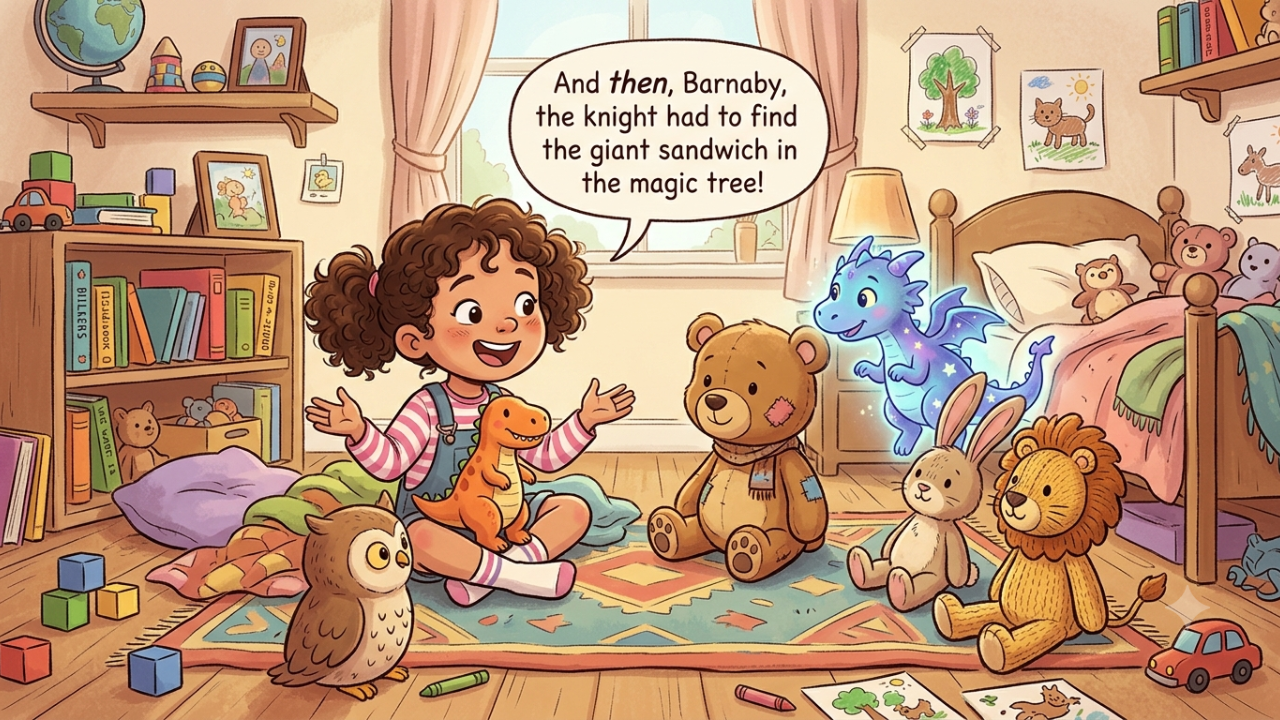
Image: AI Quick answer: Talking to stuffed animals, toys or imaginary friends is usually a normal part of childhood pretend play. It can help children practise communication, storytelling, emotions and social situations. Parents should pay closer attention if the child seems frightened by the imaginary friend, says it tells them to hurt themselves or others, cannot distinguish pretend play from reality, or develops sudden changes in sleep, eating, behaviour or social interaction.A child may set an extra plate at the dinner table, buckle a stuffed bear into the car seat or suddenly stop in the middle of a conversation to answer someone only they can see. 22 Sept 2026 | 14:56 Does your child tell you everything about school? What helps them open up? For parents, the scene can be adorable one day and unsettling the next. Is the child simply pretending? Is the stuffed animal becoming a “real” friend in their mind? And when does an imaginary companion become something parents should discuss with a doctor?For most children, talking to toys, stuffed animals or imaginary friends is a normal part of childhood imagination. The Cleveland Clinic says imaginary friendships, which nearly 2 out of 3 kids have, can help children practise social interaction, communication and seeing situations from another person's perspective. Does it mean your child is lonely? No, this doesn’t mean your child is lonely. One of the biggest fears parents have is that an imaginary friend means their child has no real friends.But research does not support treating imaginary companions as a simple sign of loneliness.A 2000 study published in Developmental Psychology examined 78 preschool children and found differences between invisible companions and personified objects such as dolls and stuffed animals. Invisible companions were generally described as sociable and friendly, while personified objects were often treated more like something the child nurtured.That does not mean an imaginary friend automatically makes a child more creative or socially skilled. Rather, the research suggests that imaginary play can be part of the way some children practise relationships and perspective-taking. When should parents pay closer attention? Parents should be concerned when if the child’s behaviour is affected due to the imaginary friend.The AAP says imaginary friendships are generally normal, but recommends discussing concerns with a pediatrician when there are other developmental issues involving speech, communication or social interaction; when the imaginary friend is constantly present or talking, as Datta Munshi MD, FAAP says in AAP; or when the friend threatens or encourages the child to hurt themselves or someone else. Sudden changes in behaviour, concentration, social interaction or personal hygiene are also reasons to seek professional advice. So what should parents do? You do not need to ban the invisible friend or repeatedly tell the child, “That's not real.”Instead, curiosity can be more useful than correction.Ask the child about the friend. What is its name? What does it like? Where does it sleep? What happened at school today?Cleveland Clinic's Kate Eshleman suggests using the imaginary friend as an opportunity to engage with the child and encourage conversation.For many children, the imaginary friend eventually disappears as their interests and social world change.So if your child is serving dinner to an invisible dinosaur or insisting that a stuffed rabbit needs its own pillow tonight, the unusual-looking scene may actually be an ordinary part of growing up.The bigger clue is not whether the friend exists in your child's imagination. It is whether the child remains comfortable, functional and able to move between their imaginary world and everyday life. Looking for trusted parenting advice? Follow TOI Parenting Circle on Instagram for expert guidance, relatable stories, and practical tips delivered every day. Get the latest Lifestyle News and more. Download the TOI app.
Why kids talk to toys and imaginary friends: When parents should worry
Many kids enjoy pretend play with imaginary pals or stuffed toys, fostering their communication skills. Engaging in this type of play is typical and does not necessarily indicate loneliness. However, if children display notable changes in behavior regarding their imaginary friends, parents should take note. Asking about these imaginary companions can initiate valuable conversations and strengthen the parent-child bond, prioritizing the child's happiness above all.
Read the full story at Times of India.